










Commercial waste audits help local businesses understand their waste streams and reduce unnecessary landfill costs. Many companies in Dallas, TX, and Plano, TX face rising disposal fees each year. Therefore, businesses need smarter ways to manage waste efficiently. These audits provide clear insights that support better decision-making.
A commercial waste audit reviews what a business throws away each day. It identifies recyclable materials that often end up in landfills. As a result, companies can adjust their disposal habits quickly. This process highlights missed opportunities for cost savings.
Additionally, waste audits reveal patterns in how materials are used and discarded. Businesses can see which areas produce the most waste. Then, managers can focus on improving those specific operations. This targeted approach leads to more effective waste reduction.
Over time, companies that use commercial waste audits build stronger sustainability practices. They also improve their public image in local communities. Customers increasingly value environmentally responsible businesses. Ultimately, commercial waste audits create lasting financial and environmental benefits.
Understanding Landfill Fees and Cost Impact
Landfill fees continue to rise for businesses across Dallas, TX, and Plano, TX. These costs often depend on the volume and weight of waste. Therefore, inefficient disposal quickly increases monthly expenses. Commercial waste audits help uncover these hidden cost drivers early.
Many local businesses pay more because waste is not sorted properly. Recyclable materials often get mixed with general trash. As a result, companies pay landfill rates for items that could cost less. This mistake adds up over time and impacts profit margins.
Additionally, fluctuating waste volumes can make budgeting difficult for business owners. Seasonal changes in Dallas and Plano can increase waste output. For example, summer months often bring higher activity and more waste. Without proper tracking, these spikes lead to unexpected fees.
By using commercial waste audits, businesses gain better control over disposal costs. They can identify where waste reduction is possible and practical. Then, they can adjust processes to lower landfill use. This approach leads to more predictable and manageable expenses.

How Commercial Waste Audits Work
Commercial waste audits follow a structured process that reveals how businesses handle waste daily. First, auditors collect data on waste volume and types. Then, they sort materials to identify recyclable and reusable items. This clear process helps businesses understand their waste habits.
Next, auditors analyze waste streams across different departments or operations. They observe where waste is generated and how it is handled. As a result, inefficiencies become easier to spot and address. Commercial waste audits turn complex data into simple insights.
During the audit, detailed records are created to track patterns over time. These records show which materials are wasted most often. Therefore, businesses can focus on areas with the highest impact. This data-driven approach supports smarter waste management decisions.
Finally, businesses receive a report with practical recommendations for improvement. These insights help reduce landfill use and cut unnecessary costs. Over time, companies refine their processes based on audit findings. Commercial waste audits create a clear path toward efficiency and sustainability.
Identifying Recyclable Materials
Commercial waste audits help businesses recognize valuable materials that often get discarded. Many companies in Dallas, TX, and Plano, TX, overlook simple recycling opportunities. As a result, recyclable items end up increasing landfill costs. Identifying these materials is a key step toward better waste management.
-
Spotting Misplaced Recyclables
Many recyclable items end up in general trash bins. This happens due to poor sorting or a lack of awareness among staff.
-
Evaluating High-Volume Waste Items
Audits highlight materials that appear in large quantities. These items offer the biggest opportunity for cost savings when recycled.
-
Identifying Hidden Recycling Opportunities
Some items, like packaging fillers or office supplies, are often overlooked. Audits help uncover these less obvious recyclable materials.
-
Separating Materials Effectively
Proper separation improves recycling efficiency and reduces contamination. This step ensures materials can actually be processed.
-
Understanding Local Recycling Options
Recycling rules can vary in Dallas, TX, and Plano, TX. Knowing what facilities accept helps businesses recycle more effectively.
-
Reducing Landfill Contributions
Diverting recyclables lowers the total volume sent to landfills. This directly reduces disposal costs over time.
-
Improving Sustainability Efforts
Identifying and recycling materials supports environmental responsibility. It also strengthens a business’s reputation in the community.
Improving Waste Sorting Practices
Commercial waste audits show how better sorting can reduce landfill costs quickly. Many businesses in Dallas, TX, and Plano, TX, struggle with improper waste separation. As a result, recyclable materials often end up in general waste bins. Improving sorting practices helps fix this costly issue.
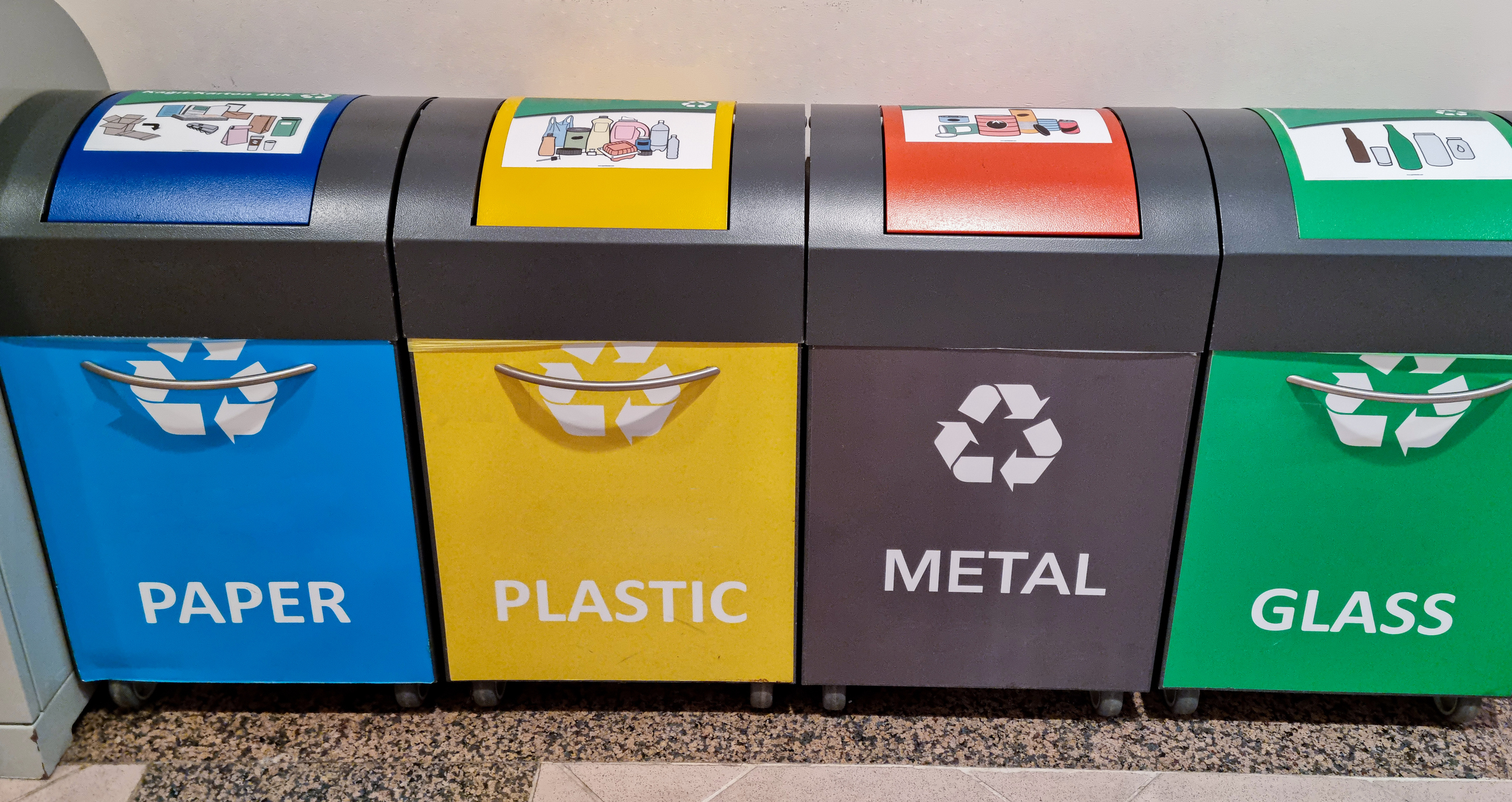
Proper waste sorting starts with clear labeling and bin placement. Employees need to know exactly where each material belongs. Therefore, simple visual cues can make a big difference. This step reduces confusion and improves daily habits.
Additionally, staff training plays a key role in successful waste sorting. Employees must understand why proper separation matters. When teams stay informed, they make better choices consistently. Over time, this leads to more efficient waste handling.
By applying insights from commercial waste audits, businesses can refine their sorting systems. They reduce contamination and increase recycling rates. This improvement lowers landfill use and saves money. Ultimately, better sorting supports both cost control and sustainability goals.
Reducing Overall Waste Generation
Commercial waste audits help businesses find ways to reduce waste at the source. Many companies in Dallas, TX, and Plano, TX, produce excess waste without realizing it. Therefore, identifying these patterns is the first step toward improvement. Reducing waste lowers both disposal costs and environmental impact.
One effective approach involves reviewing purchasing and inventory habits. Businesses often order more materials than needed. As a result, unused items eventually become waste. Adjusting these practices helps minimize unnecessary disposal.
Additionally, packaging plays a major role in waste generation. Many products arrive with excessive or non-recyclable materials. By choosing suppliers with sustainable packaging, businesses can reduce waste significantly. This change supports long-term efficiency.
Over time, consistent waste reduction leads to better operational control. Companies can track improvements and adjust strategies as needed. Commercial waste audits provide the data to support these efforts. Ultimately, reducing waste creates lasting savings and stronger sustainability outcomes.
Enhancing Sustainability Efforts
Commercial waste audits help businesses strengthen their sustainability goals with clear data. Many companies in Dallas, TX, and Plano, TX, aim to reduce their environmental impact. However, they often lack the insights needed to make effective changes. These audits provide a practical path toward greener operations.
Sustainability starts with understanding how waste affects the environment. Landfills produce emissions that harm air quality and contribute to climate concerns. Therefore, reducing landfill use becomes a key priority. Businesses can take action once they see their waste patterns clearly.
Additionally, companies can align their practices with local environmental expectations. Communities in Dallas and Plano value responsible waste management. When businesses improve their processes, they build trust with customers. This connection supports long-term brand growth.
Over time, consistent improvements create a strong sustainability culture within the organization. Employees become more aware of their daily impact. Commercial waste audits support ongoing progress and accountability. Ultimately, these efforts benefit both business and the environment.
Lowering Operational Costs Through Efficiency
Commercial waste audits help businesses reduce operational costs by improving efficiency. Many companies in Dallas, TX, and Plano, TX, overspend on waste disposal. This often happens due to poor waste management practices. Identifying these gaps leads to immediate cost-saving opportunities.
One major benefit comes from reducing landfill usage. When less waste goes to landfills, disposal fees decrease. Therefore, businesses can allocate funds to more productive areas. This shift improves overall financial performance.
Additionally, efficient waste handling reduces time and labor costs. Employees spend less time managing overflowing or mixed waste. With better systems in place, daily operations run more smoothly. This creates a more organized and productive work environment.
Over time, these improvements add up to significant savings. Businesses gain better control over their expenses and processes. Commercial waste audits provide the insights needed for continuous improvement. Ultimately, efficiency becomes a key driver of long-term success.
Industry-Specific Waste Audit Applications
Commercial waste audits help different industries manage waste based on their unique needs. Businesses in Dallas, TX, and Plano, TX operate in many sectors. Each industry produces different types and amounts of waste. Therefore, tailored audit approaches deliver better results.
Retail businesses often deal with packaging, plastics, and paper waste. These materials can build up quickly during busy seasons. By using commercial waste audits, retailers can improve sorting and recycling efforts. This leads to lower landfill costs and cleaner operations.
Restaurants and food services generate organic waste and disposable packaging. Improper handling can increase both costs and environmental impact. Audits help identify better ways to separate food waste and recyclables. As a result, businesses can improve efficiency and sustainability.
Offices and industrial facilities also benefit from targeted waste audits. Offices produce paper and electronic waste, while industrial sites handle heavier materials. Commercial waste audits provide insights specific to each environment. This customized approach ensures effective waste reduction across all industries.
Local Considerations in Dallas, TX and Plano, TX
Commercial waste audits help businesses adapt to local waste regulations and expectations. Companies in Dallas, TX, and Plano, TX must follow specific disposal guidelines. These rules can affect how waste is sorted and processed. Therefore, understanding local requirements is essential for compliance.
Each city offers different recycling programs and waste services. Some materials may be accepted in one area but not another. As a result, businesses need accurate information to manage waste properly. Commercial waste audits help align practices with local systems.
Additionally, seasonal changes can impact waste generation in these regions. Hot summers in Dallas and Plano often increase business activity and waste output. This can lead to higher disposal costs if not managed well. Audits help track these patterns and prepare for fluctuations.
By considering local factors, businesses can improve both efficiency and sustainability. They stay compliant while reducing unnecessary expenses. Commercial waste audits provide insights tailored to the region. This approach ensures long-term success in local waste management efforts.
Implementing Audit Recommendations
Commercial waste audits provide valuable insights, but action is what drives results. Businesses in Dallas, TX, and Plano, TX must apply these findings effectively. Without implementation, audits offer little long-term value. Turning insights into action is the key to success.
The first step involves setting clear and measurable waste reduction goals. These goals help guide decision-making across the organization. Therefore, teams stay focused on improving waste management practices. Clear targets also make progress easier to track.
Additionally, businesses should update their processes based on audit findings. This may include improving sorting systems or adjusting purchasing habits. Employees need to understand these changes to ensure consistency. Training and communication play an important role here.
Over time, companies should monitor their progress and refine their strategies. Regular reviews help identify what is working and what needs adjustment. Commercial waste audits support ongoing improvement and accountability. Ultimately, consistent action leads to lasting cost savings and sustainability gains.
Long-Term Benefits of Commercial Waste Audits
Commercial waste audits provide lasting value for businesses seeking to reduce landfill costs. Companies in Dallas, TX, and Plano, TX, benefit from improved waste management strategies. These audits reveal opportunities that often go unnoticed. As a result, businesses gain better control over their operations.
Over time, consistent use of audits leads to stronger financial performance. Lower landfill fees and improved efficiency support long-term savings. Therefore, businesses can reinvest resources into growth and development. This creates a more stable and competitive operation.
Additionally, environmental benefits continue to grow with ongoing improvements. Reduced waste supports cleaner communities and lowers environmental impact. Customers also prefer businesses that act responsibly. This helps build trust and strengthen brand reputation.
Ultimately, commercial waste audits support both economic and environmental goals. They encourage continuous improvement and smarter decision-making. Businesses that commit to this process see lasting results. Commercial waste audits remain a powerful tool for sustainable success.
Frequently Asked Questions
What are commercial waste audits?
Commercial waste audits are detailed reviews of a business’s waste streams. They identify what materials are being discarded and how they are handled. This process helps uncover inefficiencies and missed recycling opportunities. As a result, businesses can reduce landfill use and lower costs.
How do commercial waste audits reduce landfill fees?
They identify recyclable and reusable materials that should not go to landfills. By improving sorting and reducing waste volume, disposal costs decrease. Therefore, businesses pay less in landfill fees over time. This leads to better financial control.
Which businesses benefit from commercial waste audits?
Almost all industries can benefit from commercial waste audits. Retail stores, restaurants, offices, and industrial facilities see strong results. Each business has unique waste patterns that audits can address. This makes the process highly adaptable.
How often should a business conduct a waste audit?
Businesses should conduct audits regularly to track progress and changes. Many companies perform them annually or during operational shifts. Frequent reviews help maintain efficiency and cost control. Consistency leads to better long-term results.
Are commercial waste audits suitable for small businesses?
Yes, small businesses can benefit just as much as larger companies. Even small reductions in waste can lead to noticeable savings. Audits help identify simple improvements that make a big impact. This makes them a valuable tool for growth.